China Product Sourcing Service
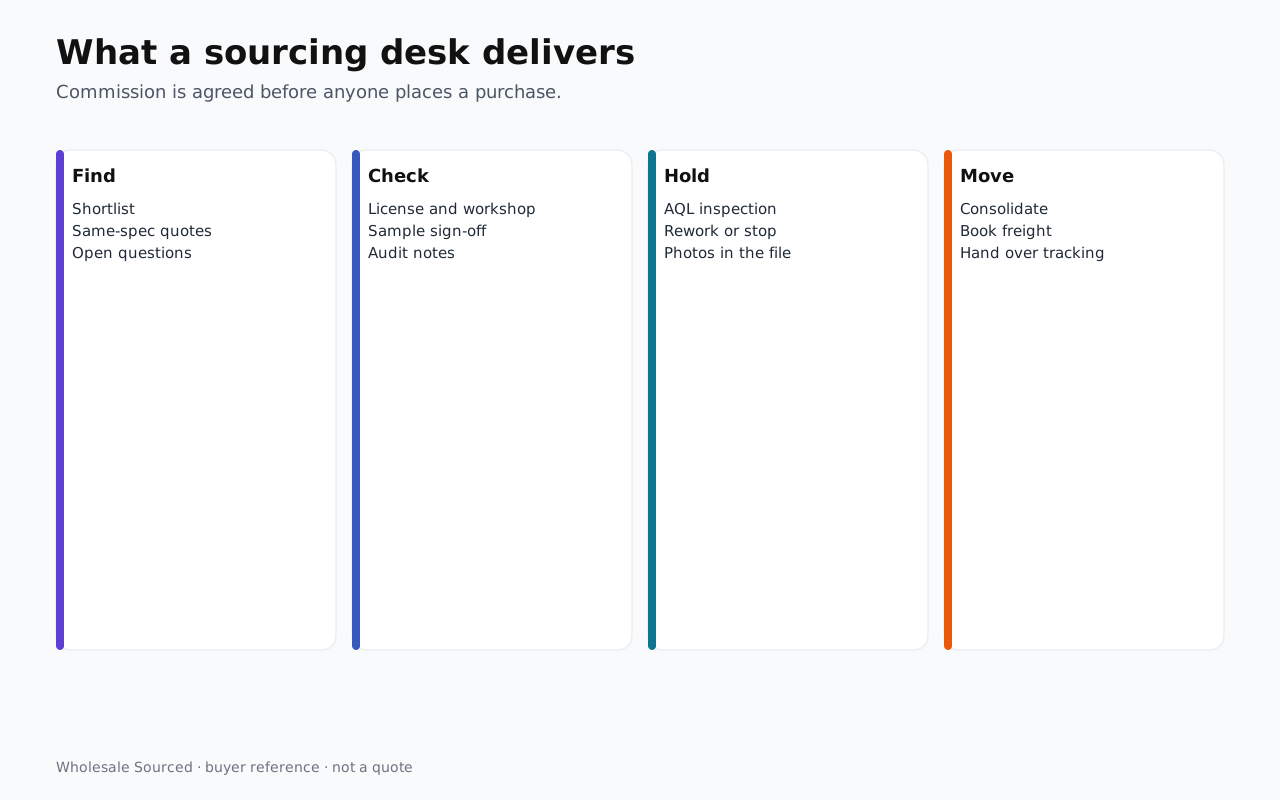
We shortlist factories, collect comparable quotes, and lock a written spec before anyone takes a deposit on your first China order.
A supplier search should end with a decision you can explain. A factory that quotes EXW without a carton specification cannot be compared with a trader quoting FOB with export packing. One price may look lower simply because half the work is missing.
Start with a brief the supplier can price
A photo or marketplace link is useful, but it is not a purchase specification. We turn the starting material into questions about size, material, finish, packaging, quantity, destination, and required date. If the destination needs a test report or a particular label, that belongs in the request before the first deposit.
The wholesale RFQ template shows the fields we use. Suppliers receive the same version so their answers can sit in one comparison table. When a supplier skips a field, we mark it as open rather than filling the gap with an assumption.
Read the shortlist, not only the unit price
The shortlist identifies whether each counterparty appears to be a factory or trader. It also records the quoted Incoterm, sample position, lead time, packaging assumption, and any unanswered compliance question. A trader may be the sensible choice for a mixed order. A factory may suit a stable single SKU. The label matters because it tells you what the supplier controls.
Before money moves, use the supplier verification guide to check the legal entity and payment details. The company name on the license, quotation, invoice, stamp, and bank instruction should tell one consistent story.
Use the sample to close the specification
The first sample often exposes details that the RFQ missed. Record those details instead of relying on memory. Measurements, approved color, packaging, accessories, and visible finish should be written into the file for the production order.
Once the sample and quote are clear, the buyer chooses whether to proceed. Product sourcing does not remove that decision. It gives the buyer enough evidence to make it without guessing. The longer China sourcing guide explains what happens after the shortlist, including verification, inspection, and shipping.
What you receive
- A shortlist with factory vs trader labeled
- Side-by-side quote table
- Open questions the spec still does not answer
- A recommended next sample
How the work runs
- Brief. You send the product, quantity, destination, and any 1688 or factory link.
- Search. We query known suppliers and new factories, then drop anyone who will not state a legal name.
- Compare. Quotes are rewritten onto the same spec, Incoterm, and carton assumption.
- Recommend. You get a written pick plus the rejects, not a single “best factory” slide.
Frequently asked questions
What do I send to start product sourcing?
A product description or link, quantity, destination, and any hard constraints such as a ship-by date.
Do you quote a catalog price here?
No. You get a file-specific next step after we see the spec.
Information graphic