Private Label Manufacturing in China Explained
How private-label, OEM, and ODM manufacturing in China works, from supplier choice and samples to artwork, packaging, quality control, and the first run.
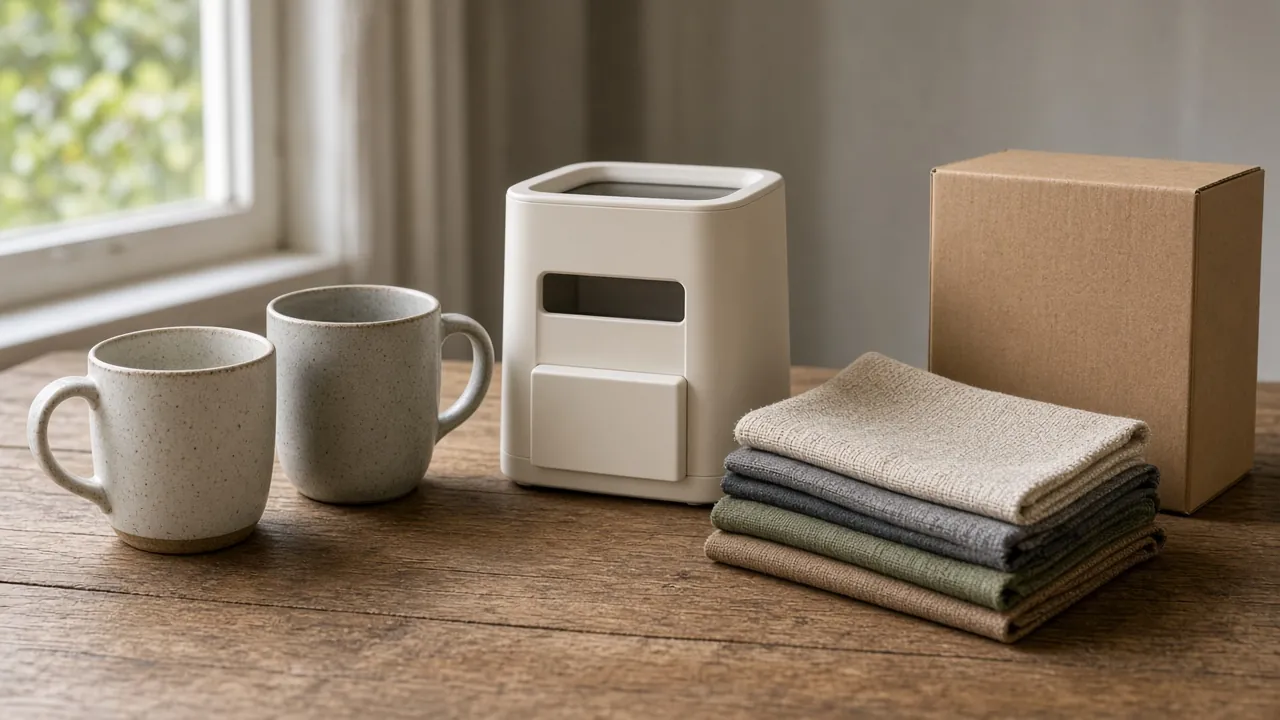
A listing photo does not tell a factory which dimensions, materials, colors, tolerances, or packaging the buyer will accept. Private label work starts by turning the product idea into a file that survives the move from sample bench to production line.
Three routes, three approval points
Scroll horizontally to see all columns →
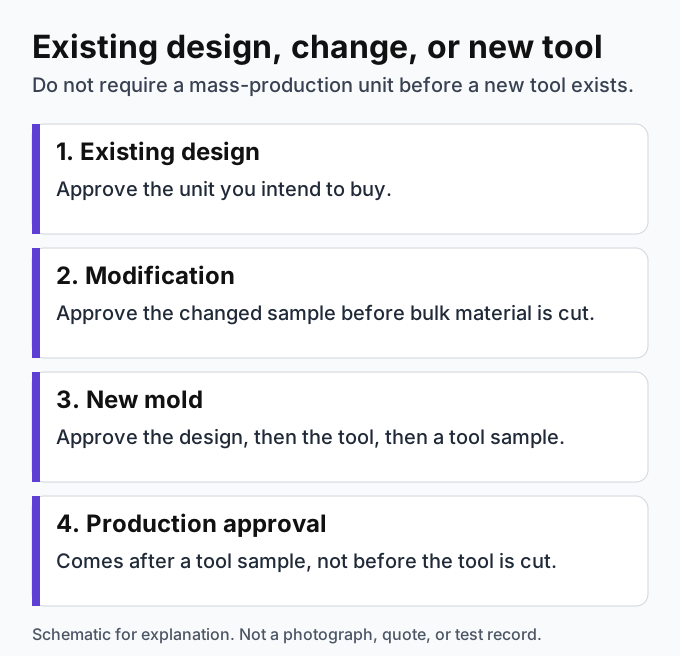
| Route | Approve before money moves into tooling or bulk | Do not require |
|---|---|---|
| Existing design | The unit you intend to buy | A new mold |
| Modification | The changed sample, before bulk material is cut | A full new tool when only print or color changes |
| New mold | The design, then the tool start, then a tool sample, then production approval | A mass-production unit before the tool exists |
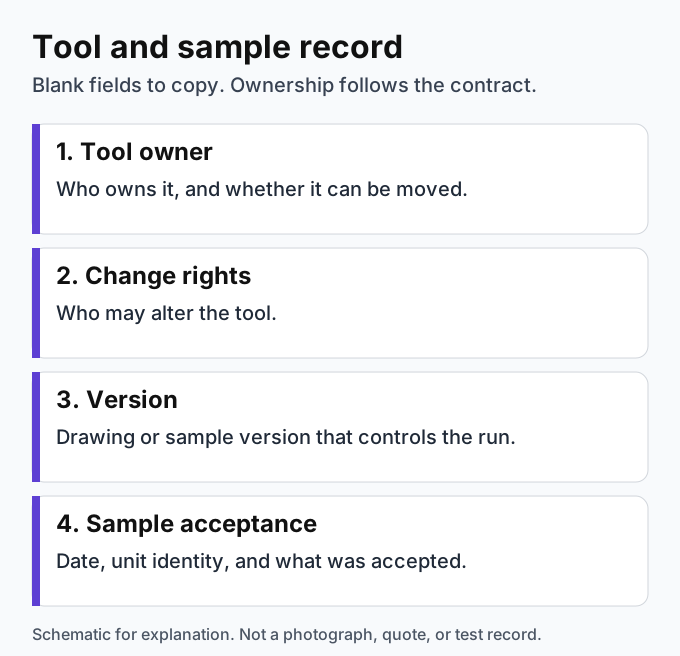
Copy this record before tooling starts:
Scroll horizontally to see all columns →
| Field | Your note |
|---|---|
| Tool owner, and whether it can be moved | |
| Who may change the tool | |
| Drawing or sample version | |
| Sample accepted, with date |
Choose the development path
ODM usually begins with a supplier’s existing design. OEM work begins with the buyer’s design or tooling. Many first orders sit between those descriptions because the buyer changes an existing product, packaging, or accessory set. Name the actual changes instead of relying on the acronym.
The supplier should state which parts are standard and which need new material, tooling, printing, or assembly. That distinction affects sample cost, minimum order, and lead time. Small first runs are possible when the supplier agrees, but a custom mold cannot be promised at the cost or speed of a stock sample.
Keep one approved reference
Each sample round should answer written questions. Record the material, measurements, function, finish, logo position, accessories, and packaging that changed. When the buyer approves the sample, mark the exact unit and keep the approval record with the specification.
Bulk inspection then uses that reference. The quality control inspection guide explains how to combine the signed sample with measurements, function checks, and defect definitions. A production unit that looks close in a quick photograph may still differ in a way that matters to the buyer.
Treat packaging as part of the product
Artwork needs a controlled file and a proof. Check spelling, barcode, color, finish, insert language, and carton marks before the printer makes the bulk run. If the factory packaging minimum is too high, a warehouse may be able to kit a smaller order after intake. See custom packaging for that workflow.
Before development starts, compare suppliers and quotes on one basis, as the product sourcing guide explains. The final production release remains with the buyer, based on the approved sample, price, calendar, and quality plan.
What a provider should deliver
- A sample loop with written sign-off
- An artwork placement guide
- A packaging proof
- A first-run quality plan
How the work usually runs
- Path. OEM, ODM, or a hybrid is chosen on purpose, not as a buzzword.
- Sample. For an existing unit, approve that unit before bulk material is cut. For a new mold, approve the design, then the tool, then a tool sample. A mass-production unit cannot exist before the tool is made.
- Brand. Logo and carton proofs are signed like the product specification.
- Run. The first lot is inspected against the signed sample.
Frequently asked questions
Does a minimum order apply to small design changes?
Often yes. A color, print, or packaging change can trigger the minimum of the material or print supplier even when the base product is in stock. Ask the factory which change sets the minimum.
Who owns the tooling for a custom part?
Ownership depends on the contract, not on who paid first. Put tooling ownership, the right to move the tool, and the approval of any change to it in writing before tooling starts.