Beauty Product Sourcing from China
Plan the formula, components, claims, samples, inspection, and packing behind a private-label beauty order sourced from China.
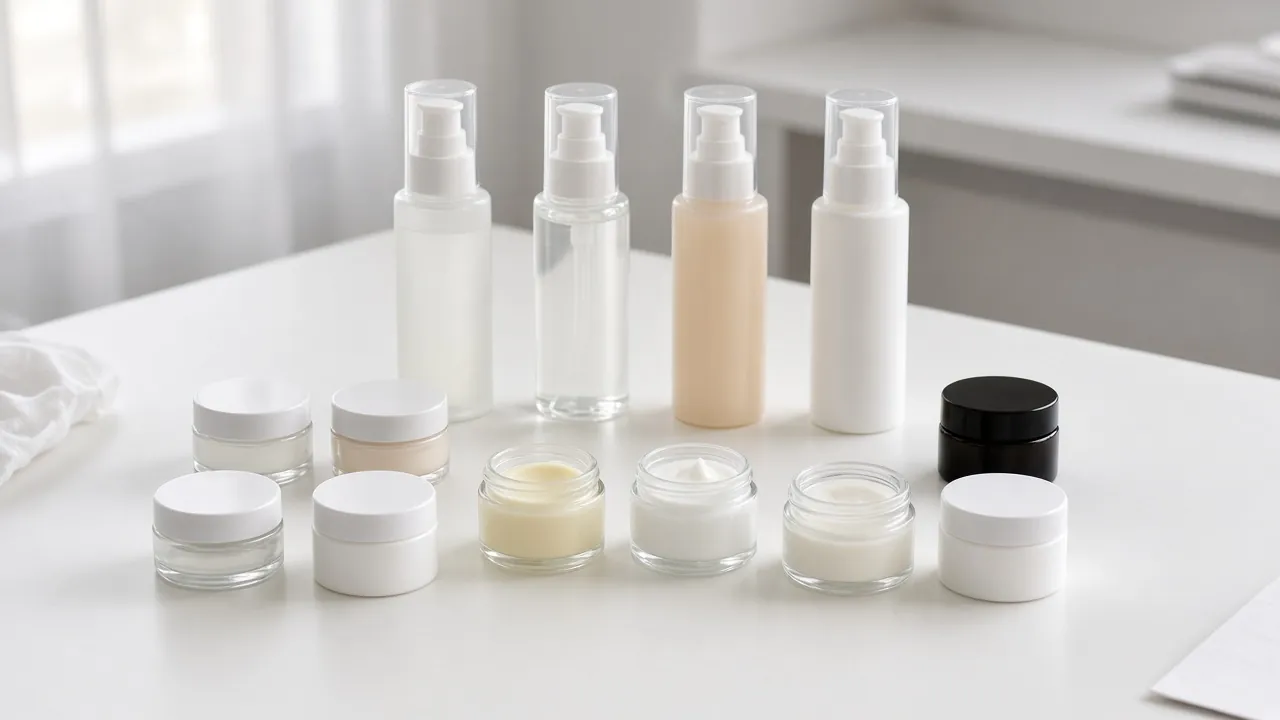
A mismatch between formula, bottle, and pump can hold up a launch after production is booked. Confirm the complete filled retail unit and component responsibilities with your suppliers before approving the quote.
Scroll horizontally to see all columns →
| Check before approval | Evidence to request or record |
|---|---|
| Filled retail unit | Sample with final formula, fill, label, and box |
| Bottle neck and pump | Component references, fit, leakage, and dispensing observations |
| Formula and filling | Formula status, responsible maker/filler, minimum, and proposed date |
| Unused formula or components | Quantity, owner, storage terms, and permission to reuse |
This is an order-file checklist; visible sample checks do not demonstrate formula safety or destination compliance.
Map the whole retail unit before requesting prices
Start with the product form and intended use, then record fill quantity, formula status, container material and size, closure, applicator, decoration, label, batch code, outer box, shipper carton, destination, and required date. For a tool or electrical personal-care item, add dimensions, materials, power, speed or heat settings, plug, accessories, and documents required for the target market.
The supplier should state which company makes or fills the formula and where each major component comes from. That does not mean every component needs a separate purchase order. It means the buyer can see what controls the schedule and who must solve a fit problem.
Use the wholesale RFQ template to keep formula, components, packing, and documents in one request. Compare supplier answers against that same brief, including any bottle or filling substitutions.
Break the MOQ into components
Ask for the minimum for formula, filling, bottle or jar, pump, decoration, label, and box, and identify whether each is stock or custom. Check pump fit, dispensing, and any supplier-stated formula compatibility requirements using the complete sample.
Hypothetical quantity example (assumed inputs): 1,000 filled units with a 5,000-piece pump or box minimum would leave 4,000 components unused in this run. This is not a supplier quote. Agree who owns, stores, pays for, and may reuse the balance.
Approve the product as the customer receives it
Approve a filled retail sample with the final formula, component materials, closure, decoration, label, batch-code position, and box. Check leakage upright and in other likely orientations, dispensing, cap or pump fit, fill appearance, label adhesion, printed copy, and how the unit sits in the insert.
For color cosmetics, the approval file should identify shades clearly. For tools, record the material, finish, dimensions, function, accessories, and packaging. If the product is electrical, keep the approved model, ratings label, plug, and relevant configuration together.
Before a deposit, read how to verify a Chinese supplier and check the contracting company, payment account, operating address, and the production steps it controls.
Inspect what can be inspected, document what cannot
A pre-shipment inspection can sample fill weight, visible consistency, shade reference, closure, leakage, dispensing, printed copy, batch code, label position, component fit, quantity, assortment, and carton condition. For tools, it can also check selected functions and accessories against a written method.
Inspection cannot establish formula safety or approve claims for the destination market. Ask for documents that match the ordered formula, packaging material, and electrical model where applicable. If a supplier sends an FDA number or a PDF titled “FDA registration certificate,” use our FDA cosmetic registration and listing number verification guide to separate the facility FEI, the facility registration, the product listing, and the label’s responsible person. Have a qualified adviser review the label and claims before artwork is printed. The quality control checklist helps turn the physical checks into a report instruction.
Test the shipper carton before the launch clock starts
Glass, pumps, droppers, and decorated surfaces can fail inside a carton that looks fine from the outside. Confirm dividers, sleeves, orientation, void space, sealing, and master-carton strength on the final packed sample. Gift sets need a pick list so the inspector can confirm every component.
Liquids, aerosols, batteries, alcohol content, and some formulations can affect carrier acceptance. Give your freight provider an accurate goods description and final pack details; the shipping guide explains the inputs to confirm before choosing a route. Do not wait until the finished order is sitting at the factory.
Prepare the brief for your supplier
Prepare the product type, formula status, fill quantity, preferred pack, reference images, quantities by SKU, decoration files, destination, target date, and any documents already available. Use the wholesale RFQ template, then read how to choose a China sourcing agent before comparing providers.
Product types
- Skincare
- Hair care
- Beauty tools
- Cosmetics packaging
- Personal care
- Private-label sets
Typical wholesale buyers
- Private-label brands
- Salons
- Retailers
Main sourcing markets
- Confirm the formula maker and filling-site address with the supplier
- Verify container, pump, and decoration production sites separately
Information graphic
MOQ and pricing factors
Ask for formula, filling, and component minimums separately, with dates, excess quantities, and ownership recorded for this order.
Quality control
- Fill weight, closure fit, leakage, and dispensing
- Shade, odor, visible consistency, and batch coding
- Artwork, label position, component fit, and retail packing
- Function, speed, heat, accessories, and bristle retention for tools
Compliance and documents
Ask your supplier for formula, label, and product documents that match this order. Have a qualified destination-market adviser review safety and claims; a physical inspection does not establish them.
Shipping considerations
- Liquids and aerosols have carrier rules
- Glass jars need inner packing
- Confirm any formula-specific transport temperature limits with the supplier
Frequently asked questions
Why do the formula and packaging have different MOQs?
The bulk formula, filling line, bottle or jar, pump, label, and printed box may all come from different production runs. Ask the supplier to identify the minimum and excess quantity for each component before choosing the final pack.
Should I approve an empty package or a filled sample?
Approve the complete filled retail unit. An empty bottle cannot show formula compatibility, leakage, dispensing, fill appearance, label behavior, or how the finished item sits in its box.
Can a pre-shipment inspection confirm that a cosmetic is compliant?
No. Inspection can check visible product, fill, components, coding, labels, packing, and selected functions. Formula safety, claims, and destination-market compliance require the appropriate documentation, testing, and professional review.